Loading progress...
Cliff Edge Activity
Confirmation
Cliff Edge
Understanding the Cliff Edge Activity
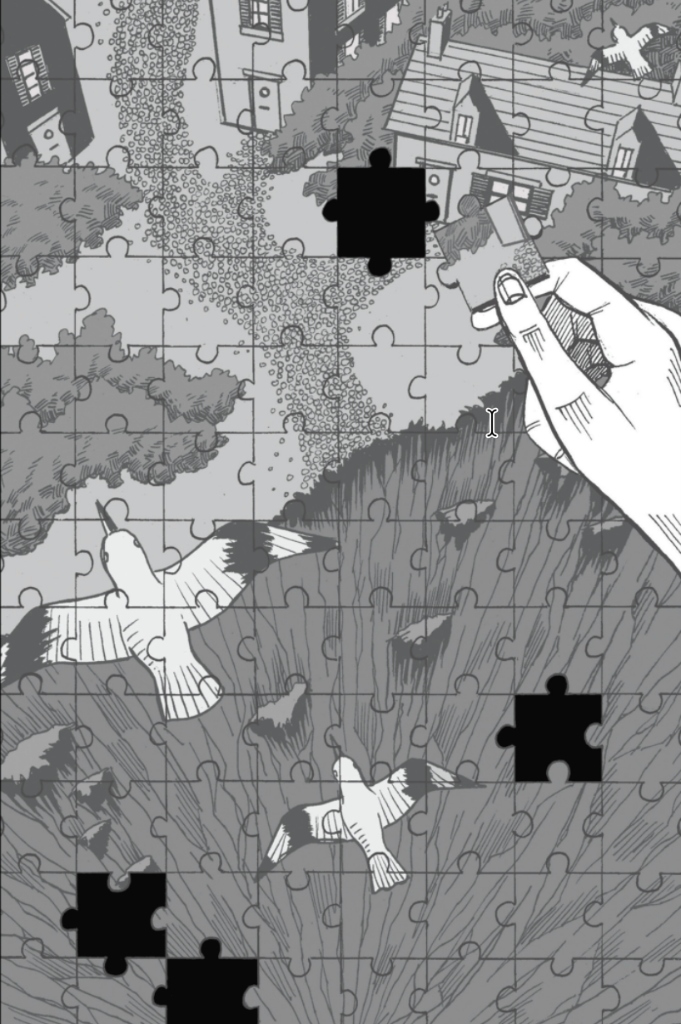
My Cliff Edge activity will help you put together what we have covered so far.
Doing the activity is equivalent to the moment of awareness in my Cliff Edge story when you stop going over your Cliff Edges, save yourself from yet another bruising landing, and start travelling down the path to your Over There place, where in your retirement, you are who you want to be, doing what you want to be doing and living the life you want to be living.
By mapping your unhelpful and helpful patterns across attention, thinking, beliefs, behaviours, and more, you create a visual bridge between where you are now and where you want to be.
Suggestions
How to Go About the Activity
Do the activity more than once, with gaps in between, as it can take time to become helpfully aware of your patterns.
Consider the areas of your life impacted by your patterns that you think are relevant (if necessary revisit The Meaning Map activity for a reminder of the areas)
Do the activity yourself and, if possible, with at least one trusted other, either from within your existing support network, such as a partner or friend or from outside of it, such as a coach or therapist.
Remind yourself that you cannot afford to repeat unhelpful patterns or neglect the helpful ones.
Appreciate your findings, no matter what you discover. It doesn't matter how often you are currently going over your Cliff Edges, only that you become aware of doing so.
Anne's Cliff Edge Activity
Use Anne's completed Cliff Edge activity as a guide to completing your own.
Unhelpful: Going over Cliff Edges
My attention is nearly always on other people: what they are doing, whether they are getting on with their lives and whether they want anything to do with me. I notice other people appearing busy and connected, which makes me more aware of what I feel I am missing.
Helpful: In your Over There place
My attention is beginning to go to things in my own life. I notice the better days, particularly when I text people and they reply. I pay more attention to my garden and enjoy reading. There are things immediately around me that can hold my interest rather than my attention always being somewhere else.
Unhelpful: Going over Cliff Edges
My thinking is very negative and self-critical. I can spend a lot of time going over things in my head and thinking badly about myself and my situation. Once I start thinking like this, it is difficult to find anything positive to focus on.
Helpful: In your Over There place
I have more positive things to think about. I think about my RHS horticultural course, Buddhist meditation and singing. These give my mind somewhere else to go and give me things to look forward to and think about developing.
Unhelpful: Going over Cliff Edges
I find myself believing, “No one wants to know me now that I’m retired.” When I feel isolated, this can seem completely true and shape how I interpret other people and my relationships with them.
Helpful: In your Over There place
I am starting to see evidence that challenges that belief. People reply when I contact them and sometimes invite me to do things. That helps me question the assumption that nobody wants to know me simply because I have retired.
Unhelpful: Going over Cliff Edges
I withdraw and isolate myself. I spend a lot of time at home doing housework or watching television. These things fill some of the day, but they also mean I can spend long periods on my own without doing very much that changes how I am feeling.
Helpful: In your Over There place
I am doing more things that connect me with life outside the house. I text people, go to the shops, spend time in my garden and talk to my neighbour. I have also started singing and playing my guitar occasionally. They may seem like relatively small things, but they get me doing rather than withdrawing.
Unhelpful: Going over Cliff Edges
I feel very low, numb and scared. These feelings can dominate my experience and make it harder to imagine things being different.
Helpful: In your Over There place
I am starting to experience flickers of more positive feelings. They do not necessarily last for long, but I notice them. I feel better after talking to my neighbour, for example, which tells me something about what may help me.
Unhelpful: Going over Cliff Edges
I have cut myself off from other people and spend most of my time at home. My world has become much smaller, and I have become increasingly focused on my house and possessions rather than my relationships with other people.
Helpful: In your Over There place
I am beginning to reconnect with my surroundings. My garden matters to me, as does my cat, and I value my relationship with my neighbour. I am starting to have more contact with people and with life beyond the four walls of my house.
Unhelpful: Going over Cliff Edges
Time passes very slowly. Without the structure I once had, parts of the day can feel very long, especially when I'm home alone with nothing specific planned.
Helpful: In your Over There place
Some things are getting done, and there is more happening in my days. When I have something to do or somewhere to put my attention, time feels different and the day has more structure.
Unhelpful: Going over Cliff Edges
I notice myself moving slowly. The way I use my body seems to reflect how I am feeling overall: I have less energy and less physical engagement with what is happening around me.
Helpful: In your Over There place
I am more aware of my posture and movement, and I practise yoga every day. This gives me regular physical activity and makes how I use and experience my body part of my self-care.
Unhelpful: Going over Cliff Edges
I have lost confidence and don't feel as though anything is happening or developing in my life. There is little sense that I am learning, progressing or becoming interested in something new.
Helpful: In your Over There place
I am developing again. My RHS course has given me something new to learn in horticulture. I am exploring Buddhist meditation, and I have started singing again, first at a pub open mic and then through jazz singing. These are all signs that retirement doesn't have to mean my development has finished.
Anne's realisations
“While the discovery of so many Cliff Edges was upsetting at the time, knowing about them was transformative, as it led to my greatest post-retirement achievement: arriving at my Over There place. I know the exact month I arrived: September 2022, when I started my Royal Horticultural Society course and agreed to be the lead singer in Harry’s jazz band.” Anne
Your Cliff Edge Activity
Map your patterns across the same 9 categories as Anne's example. Compare your unhelpful Cliff Edge patterns with your helpful patterns in your Over There place. Your responses auto-save as you type.
Where is your focus directed? Are you caught up in what others think, or attending to what brings vitality?
What thoughts and mental patterns arise? Are they self-critical and limiting, or generative and encouraging?
What underlying beliefs or assumptions are active? (e.g. "no one wants to know me" vs "people care and respond")
What habits, routines, actions, or avoidances do you notice yourself slipping into?
What feelings and emotions are present? (e.g. heavy, fearful, numb vs calm, hopeful, joyful)
How do you engage with family, friends, neighbours, your surroundings, and possessions?
How do you experience and structure your time? Does time slip away aimlessly, or is it used purposefully?
What happens physically? Notice your posture, muscle tension, facial expressions, and physical activity.
What learning, creative pursuits, exploration, or personal development opportunities are present?
Reflection - What Did You Discover?
Box for final thoughts...
Add New Topic
Lesson